
Lomography’s Lomo MC-A: A Modern Classic for the Analog Generation
If you’ve been itching for something new in the 35mm world, Lomography just dropped a treat for all of us film junkies. The Lomo MC-A — short for “Metal Compact-Automatic” — isn’t just another toy camera or nostalgic throwback. It’s a full-metal, USB-C-rechargeable, manual-capable, film-shooting machine that’s ready to go head-to-head with the beloved point-and-shoots of the 1980s and ‘90s.
In an age where vintage cameras are skyrocketing in price and half of eBay seems to be “for parts only,” Lomography has finally given us what we’ve all been waiting for: a brand-new, compact film camera that doesn’t feel like a plastic souvenir.
Let’s dive into what makes this little silver (or black) beauty such a big deal.
The Camera We’ve Been Waiting For
Lomography has always had a knack for keeping analog alive. From the LC-A+ to the Simple Use cameras, they’ve made film photography fun, accessible, and a little unpredictable. But the Lomo MC-A is a different beast altogether. It’s not a novelty camera — it’s a serious compact for people who love film but don’t want to baby their thirty-year-old Olympus Stylus or pay a small fortune for a Contax T2.
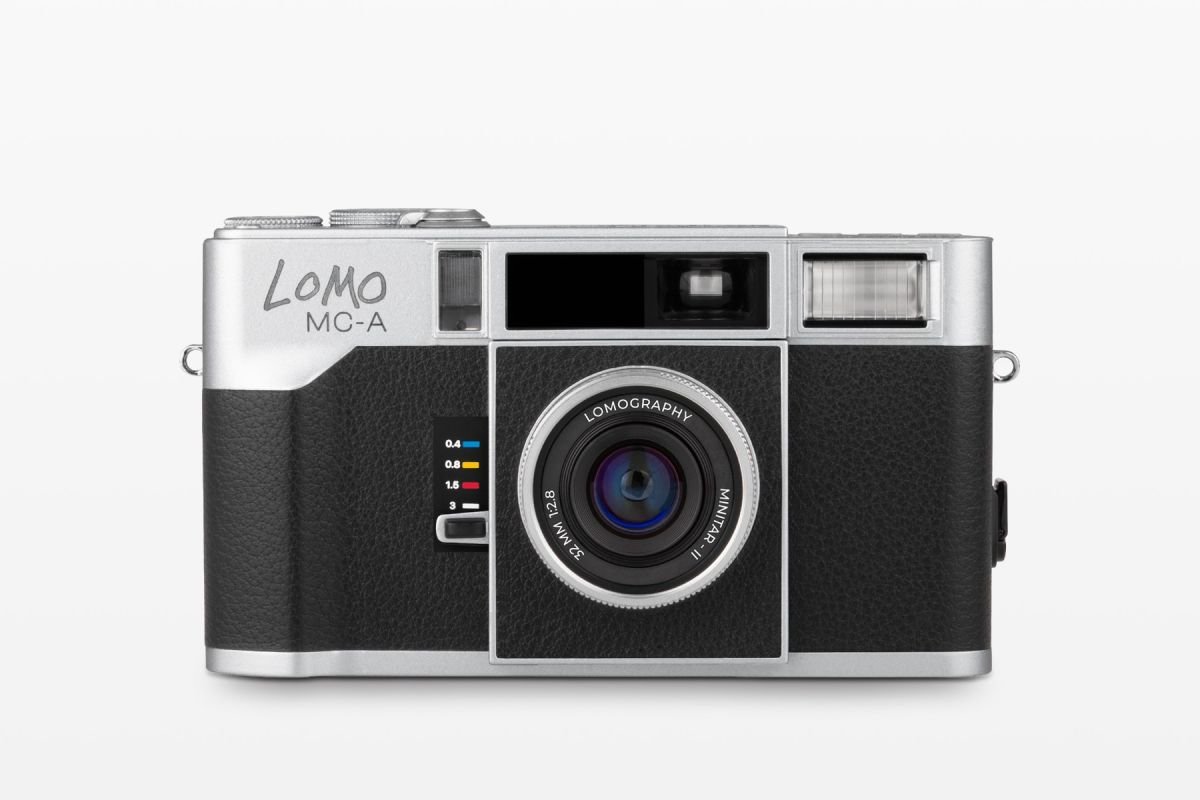
Right out of the box, the MC-A makes a statement. It’s solid metal, giving it a reassuring heft that most modern film cameras lack. Gone is the creaky plastic. Instead, it feels like something your grandfather would’ve trusted on vacation — if your grandfather had access to USB-C.
Let’s Talk Features (Because There Are Plenty)
Here’s the rundown of what you’re getting when you pick up the MC-A:
32mm f/2.8 multi-coated glass lens — not plastic, not a pinhole, but the real deal.
Full metal body — available in black or silver.
Automatic exposure and aperture priority modes.
Full manual mode for the control freaks among us.
Zone focusing from 0.8 m to infinity.
Built-in flash with auto, fill, and off options (plus first-curtain sync).
Multiple exposure mode (because one frame is never enough).
Built-in light meter.
USB-C rechargeable battery (no more hunting for weird button cells).
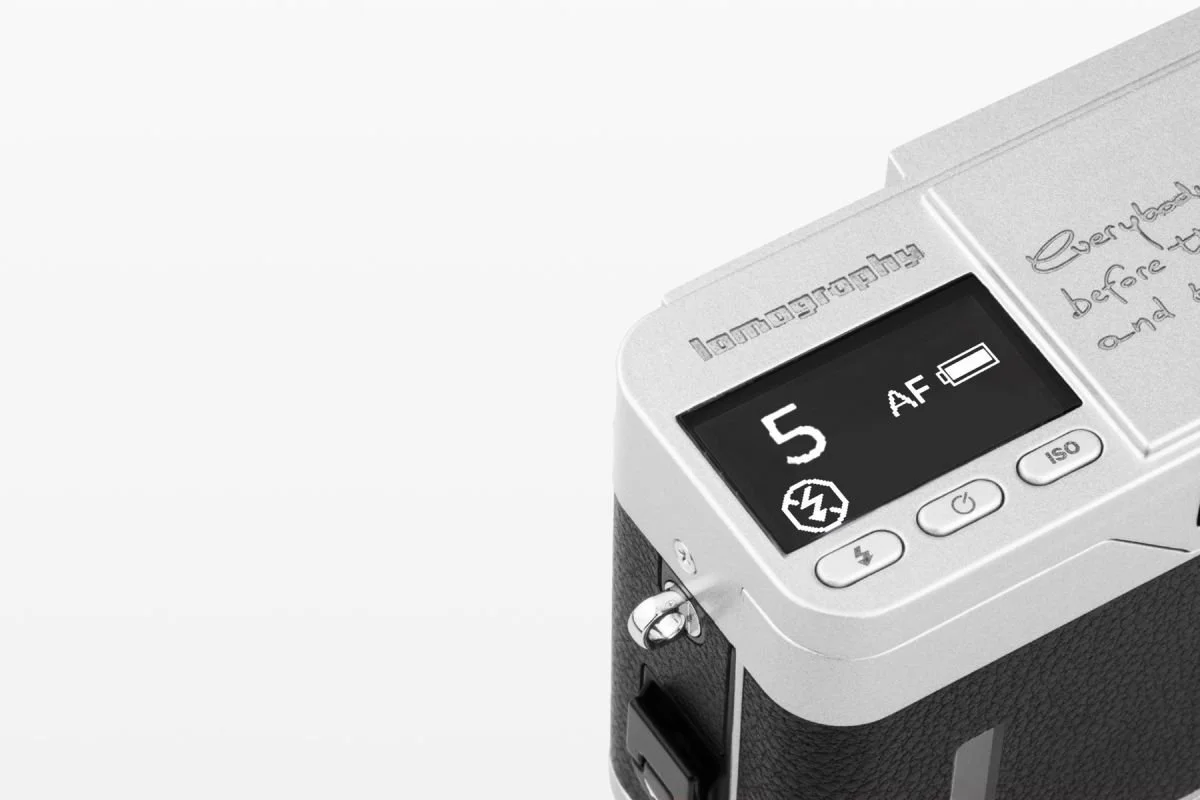
LCD screen for mode display and shot count.
It’s essentially a mash-up of everything we loved about compact film cameras — but with modern sensibilities and fresh parts.
That Lens: The Heart of the MC-A
One of the biggest questions film shooters always ask is, “Yeah, but how’s the lens?”
The MC-A’s 32 mm f/2.8 glass lens is what Lomography calls a multi-coated optical lens, designed for clarity and vibrant color rendition. Early test shots from reviewers show it has that classic Lomography charm — contrasty, a touch of vignetting, and full of character.
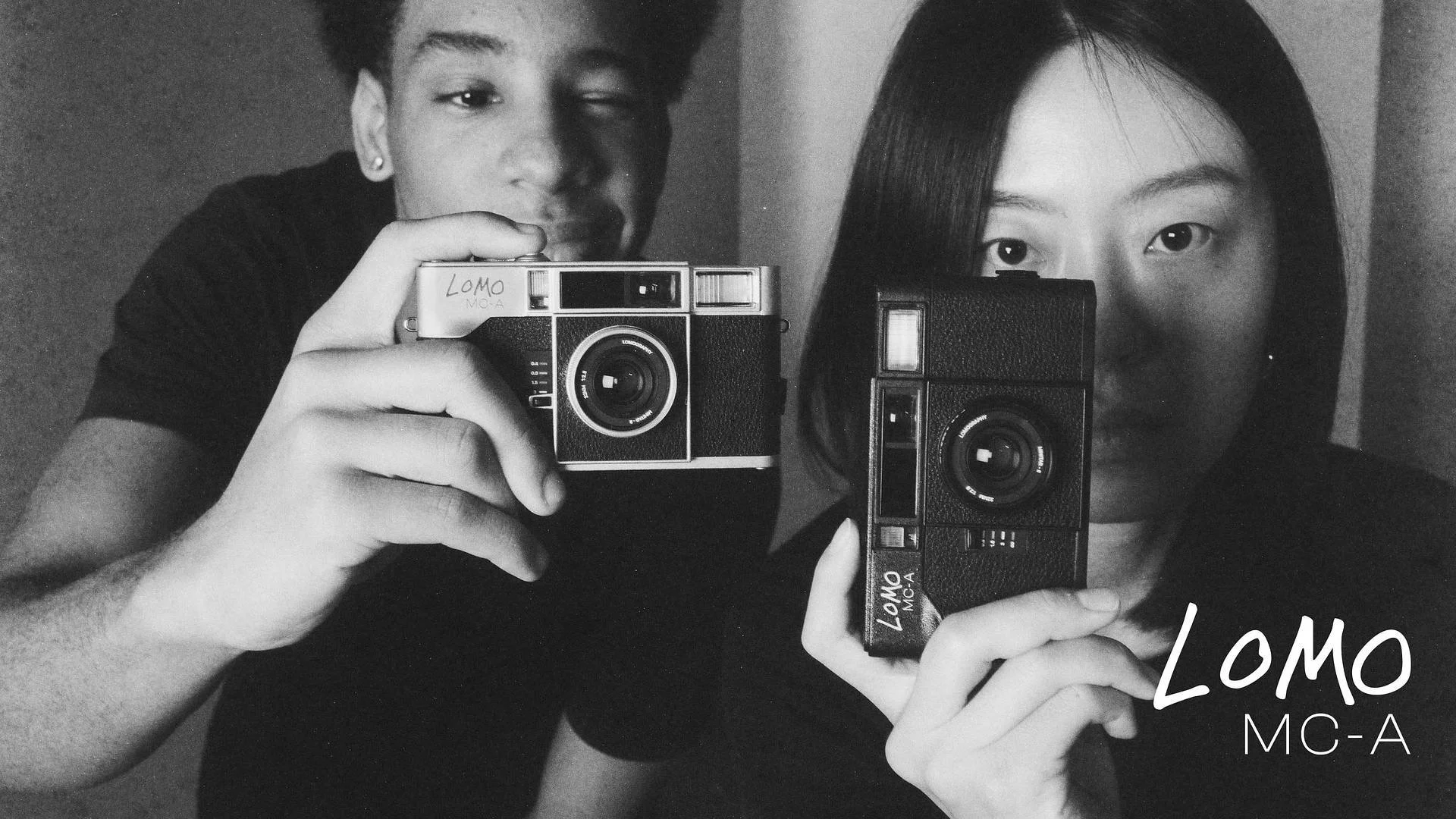
It’s sharp enough to make portraits pop and wide enough to capture your weekend adventures without needing to step back into traffic. That 32 mm focal length sits right in the sweet spot between wide and standard — a perfect everyday companion whether you’re shooting street scenes, travel photos, or family life.
If you’ve ever wished your favorite vintage compact had a new lease on life (and didn’t leak light like a sieve), this lens will feel like a familiar friend.
The Build: Sturdy. Sleek. Reliable.
Pick it up, and you immediately know this isn’t your average Lomography camera. The metal construction feels premium — the kind of weight that makes you trust it won’t crumble in your backpack. The controls are tactile, the dials click with confidence, and the ergonomics strike that balance between retro and comfortable.
It’s available in two finishes — classic silver and matte black — both of which scream vintage cool without being gaudy. Think “retro-futuristic point-and-shoot” rather than “hipster gimmick.”
The USB-C charging port is tucked discreetly on the side, giving it a modern edge while keeping the design clean. That might sound small, but the convenience of charging your camera with the same cable you use for your phone is worth celebrating.
Automatic, Aperture, or Full Manual — You Choose
Here’s where the MC-A stands apart from most of today’s film cameras: it’s not just point-and-shoot.
You can go full auto and let the camera handle everything (perfect for beginners or those quick-draw street shots). But you can also switch to aperture priority to control your depth of field or dive into full manual to fine-tune your exposure.
That kind of flexibility is rare in new film gear today. Most new 35 mm options either oversimplify things or throw you into the deep end with full manual only. The MC-A lands squarely in the middle — giving you room to grow.
It’s basically a camera that says: “You can start with me, and you’ll still be using me years from now.”
The Flash & Multiple Exposure Mode
Let’s be honest — Lomography has always loved creative features, and the MC-A doesn’t disappoint. The built-in flash offers multiple modes, including auto, fill, and off, plus a first-curtain sync option for those light-trail-and-movement experiments.
And then there’s multiple exposure mode — a Lomography staple. Whether you want to double your portraits with cloudscapes or stack silhouettes, it’s a playground for creativity straight out of the box.
In a time where most compact film cameras are simple point-and-shoot boxes, features like these make the MC-A stand out for people who actually want to experiment.
Battery Life & Usability

Good news: the MC-A uses a built-in rechargeable lithium battery, charged via USB-C. According to Lomography, one charge should last dozens of rolls — though your mileage may vary depending on how often you use the flash or LCD screen.
No more stockpiling CR123s or trying to find obscure button cells online. You can charge this camera anywhere, even from a power bank in the field. That’s a small but meaningful upgrade for anyone who shoots film regularly.
The small LCD screen on top gives you quick access to your mode and frame counter. It’s subtle and modern, but it doesn’t ruin the analog feel — just a nice touch of convenience.
Price: $499 and Worth Every Penny?
Let’s talk dollars. At launch, the Lomo MC-A retails for $499 USD — and yes, that’s a bit of sticker shock for a Lomography camera. But context matters.
Compare that to the secondhand market, where a clean Olympus Stylus Epic now sells for $400+, and a Contax T2 can easily break the $1,500 barrier. In that light, $499 for a brand-new, warrantied, metal-bodied compact with manual control suddenly feels like a bargain.
Plus, you’re not dealing with sticky shutters, expired light seals, or batteries that no longer exist. You’re buying a film camera that works today, with today’s tech, and will likely outlive most of the fragile point-and-shoots floating around on eBay.
It’s also worth noting that Lomography tends to keep their limited runs limited. Once these sell out, don’t be surprised if prices creep up.
Who It’s For
The MC-A sits perfectly between entry-level and pro. Here’s how it breaks down:
Beginners will love the automatic and aperture-priority modes, plus the fact that it’s dead simple to load and use.
Intermediate shooters will enjoy the manual mode and control over exposure.
Pros and collectors will appreciate the build quality, reliability, and that it’s a new camera in a market full of repair bills.
It’s especially appealing for anyone who wants to shoot film seriously without relying on decades-old gear. And for labs like ours at Shutter Junkies, that’s great news — more people shooting film means more beautiful negatives rolling through our scanners.
Real-World Use: What to Expect

From the first hands-on reviews, the MC-A is showing promising results. The lens delivers crisp images with a slightly warm tone — true to the Lomography look. The exposure system is accurate in daylight and surprisingly consistent indoors when paired with the flash.
It’s compact enough to toss in your bag but sturdy enough to feel like a “real camera.” Focus is manual zone style (like most classic compacts), so it rewards shooters who understand distance and composition. If you’re coming from digital, it’ll teach you to slow down and think before you shoot — and honestly, that’s half the fun of film.
Why It Matters for Film Photography
Every time a new film camera is announced, it’s a big deal. Manufacturing for film gear isn’t easy, and every modern release helps keep analog photography alive. The MC-A proves there’s still a market — and a growing one — for newfilm cameras built to last.
It also means younger photographers who fell in love with disposables or half-frames have a new “step-up” camera to graduate to. That’s healthy for the community, for labs like ours, and for the entire analog ecosystem.
When people buy new cameras, they buy film. When they buy film, they need developing. And when they develop, they discover places like Shutter Junkies Photo Lab — keeping the magic of film alive, one frame at a time.
Final Thoughts: Should You Buy It?
If you love film, want reliability, and don’t mind investing in something that will last for years, the Lomo MC-A is worth every penny. It’s stylish, solid, and refreshingly new in a sea of vintage uncertainty.
It’s not pretending to be a Leica, and it’s not trying to be a disposable. It’s something in between — a tool that invites creativity without breaking the bank.
Whether you’re capturing family moments, road trips, or weekend adventures, this camera feels like it’s made for film photographers today — the ones who value the craft, the process, and that satisfying click-wind-repeat rhythm we all love.
And when that roll is done?
You know where to send it. 😉
Develop your film at ShutterJunkies.org